

马年“识马”——不止是生肖,更是文化里的生动符号
2026/02/17



2026,农历马年奔腾而至。马,作为十二生肖之一,早已超越属相的范畴,升华为中华文化中一个深刻的精神符号。它象征着奔腾不息、奋进向上的精神。值此新春,让我们一同探寻“马”在文化长河中的生动印记,从古老的汉字基因,到经典的艺术创作,再到灵魂的音乐表达,开启一场跨越语言与艺术的文化识“马”之旅。

从汉字到成语:
刻在文化基因里的“马”
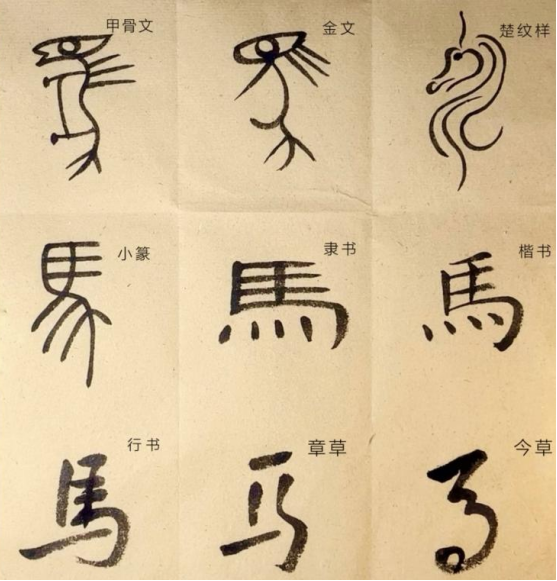
“马”的形象早在华夏文明诞生之初,便已镌刻进我们的文化基因。历代的“马”文字虽有不同,但都展现出一匹昂首挺立、鬃毛飞扬的骏马侧影的生动描摹,简洁而传神的线条,体现了中国人对马最敏锐的观察。
自商周起,马便深度融入国家礼仪、战争交通与社会生活。《周易》中“乾为天,为君,为马”,将马与天行健的刚健精神并列。
Since the Shang and Zhou dynasties, the horse has been integrally woven into the fabric of state rituals, warfare, transportation, and social life. In the Book of Changes (Zhouyi), it is written, “Qian represents Heaven, the sovereign, and the horse,” aligning the horse with the ceaseless, vigorous spirit of Heaven's motion (tian xing jian).
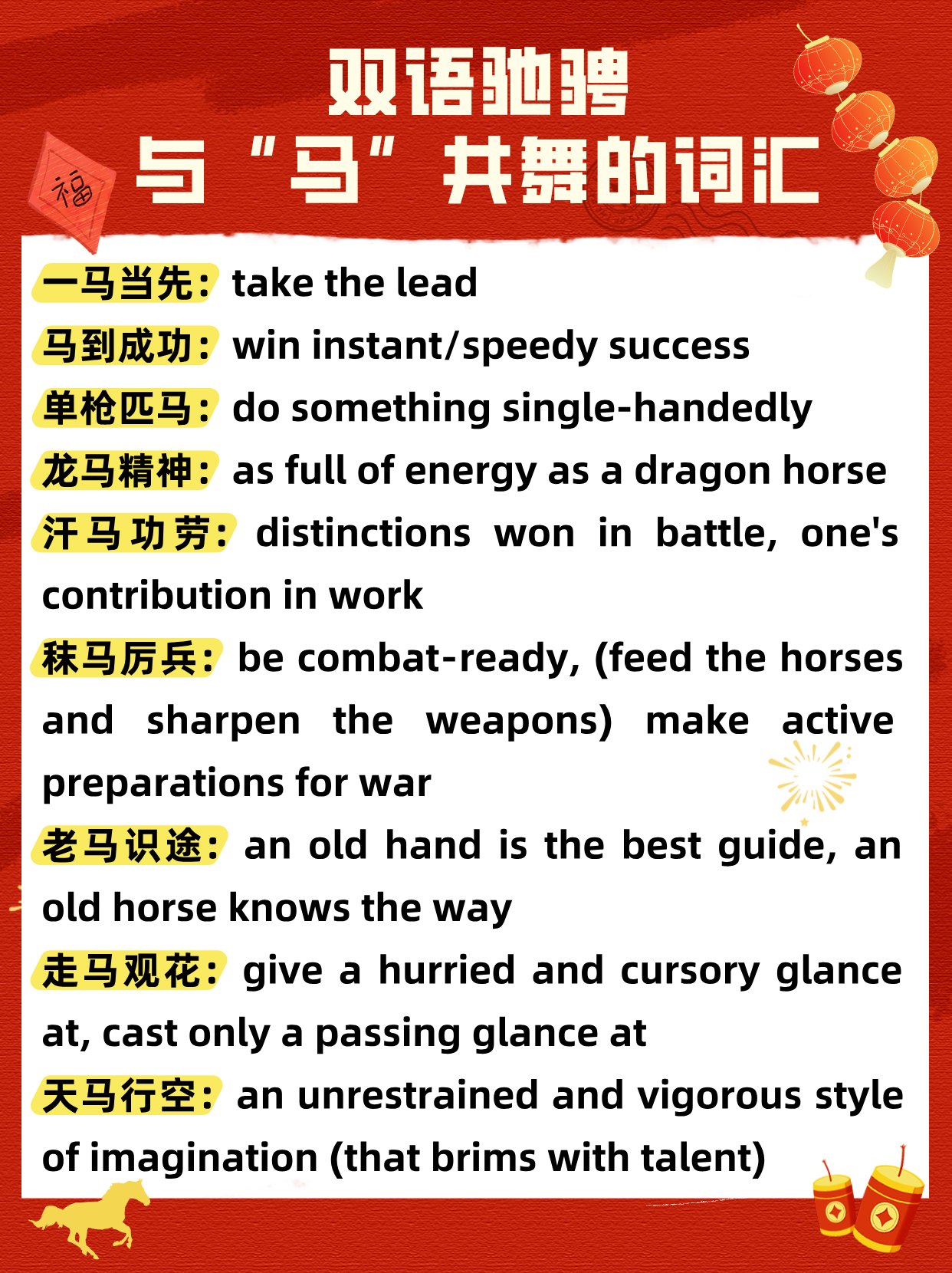
历史长河中,马更是催生了无数鲜活的语言结晶:一马当先、马到成功、老马识途、驷马难追……这些成语如文化密码,承载着马所代表的积极意象,至今仍在我们的语言中奔腾。

徐悲鸿《奔马图》:
笔墨间的“龙马精神”
说到画马,徐悲鸿是绕不开的名字,作为著名现代画家、美术大师,他在传统绘画和西方绘画领域均享有盛誉,以画马而著称。
Xu Beihong, a celebrated modern painter and a master of fine arts, achieved eminence both in traditional painting and in Western painting. He is best known for his paintings of horses.
古代的艺术家热衷于画被驯服的马,徐悲鸿却对画野马情有独钟。这位国画大师在法国进修期间学习了马的解剖,花费大量的时间观察马的动态和表情。他非常喜欢画蒙古马,为后世留下了1000幅素描绘画珍品。
Unlike ancient artists obsessed with saddled horses, Xu Beihong (1895-1953) preferred feral and wild ones. Trained in France, the Chinese master studied equine anatomy, spending hours observing horses' movements and expressions. Especially fond of Mongolian breeds, he left a treasure trove of up to 1,000 sketches.
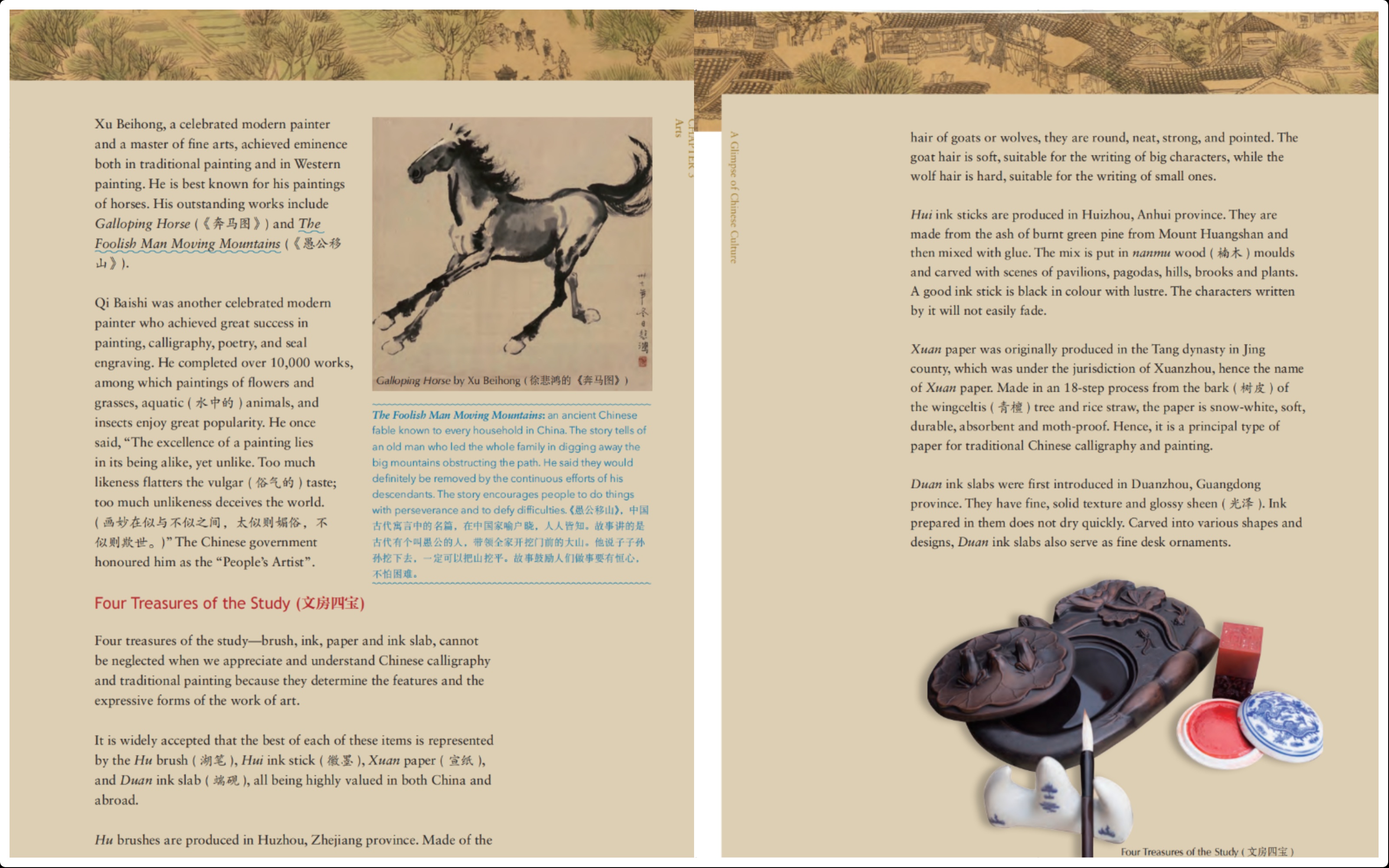
来源:《中国文化概况》(修订版)
徐悲鸿画的马,有的飞奔,有的小跑,形态各异,非常有魅力。他画的马多是黑色,结合了中西方绘画手法,线条和笔画简单,但每幅画都十分传神。
Xu's portrayals of horses galloping or trotting past, in a rich variety of poses, are some of the most captivating of their kind. Using mostly black ink, they combine the best methods from East and West. The lines and brush strokes are simple, yet invariably evoke the essence of the animals.
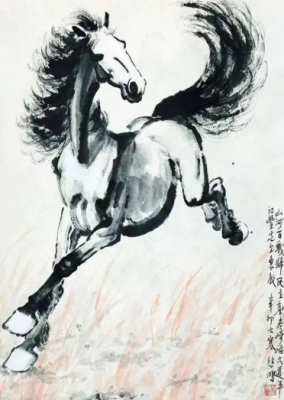
其代表作《奔马图》用酣畅淋漓的笔墨,捕捉了马在奔跑中瞬间的动态与气势。这幅画也是对“龙马精神”很好的视觉诠释,展现出自强不息、一往无前的生命意志。

马头琴:
草原弦音里的“马之魂”
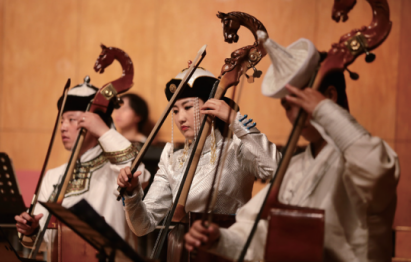
马的文化,不止在笔墨里,更在悠扬的弦音中。蒙古族的马头琴,正是 “马与生活”的深情共鸣。马头琴,因琴头似马头而得名,是蒙古族的传统乐器。有些历史资料记载,古代的蒙古族人会把酸奶勺子加工之后蒙上牛皮,拉上两根马尾弦,当作乐器演奏。这种勺子形状的乐器被称为“胡琴”,一些专家认为它就是马头琴的前身。
The morin khuur (translated as “horsehead fiddle”) was so named for its horse-like head. It is a traditional Mongolian musical instrument. According to some historical documents, the Mongolian ethnic group in ancient times made a musical instrument from a yogurt spoon covered with cowhide and two strings made of horse tail hair. This spoon-shaped instrument, known as huqin, is regarded by some experts as the predecessor to the morin khuur.
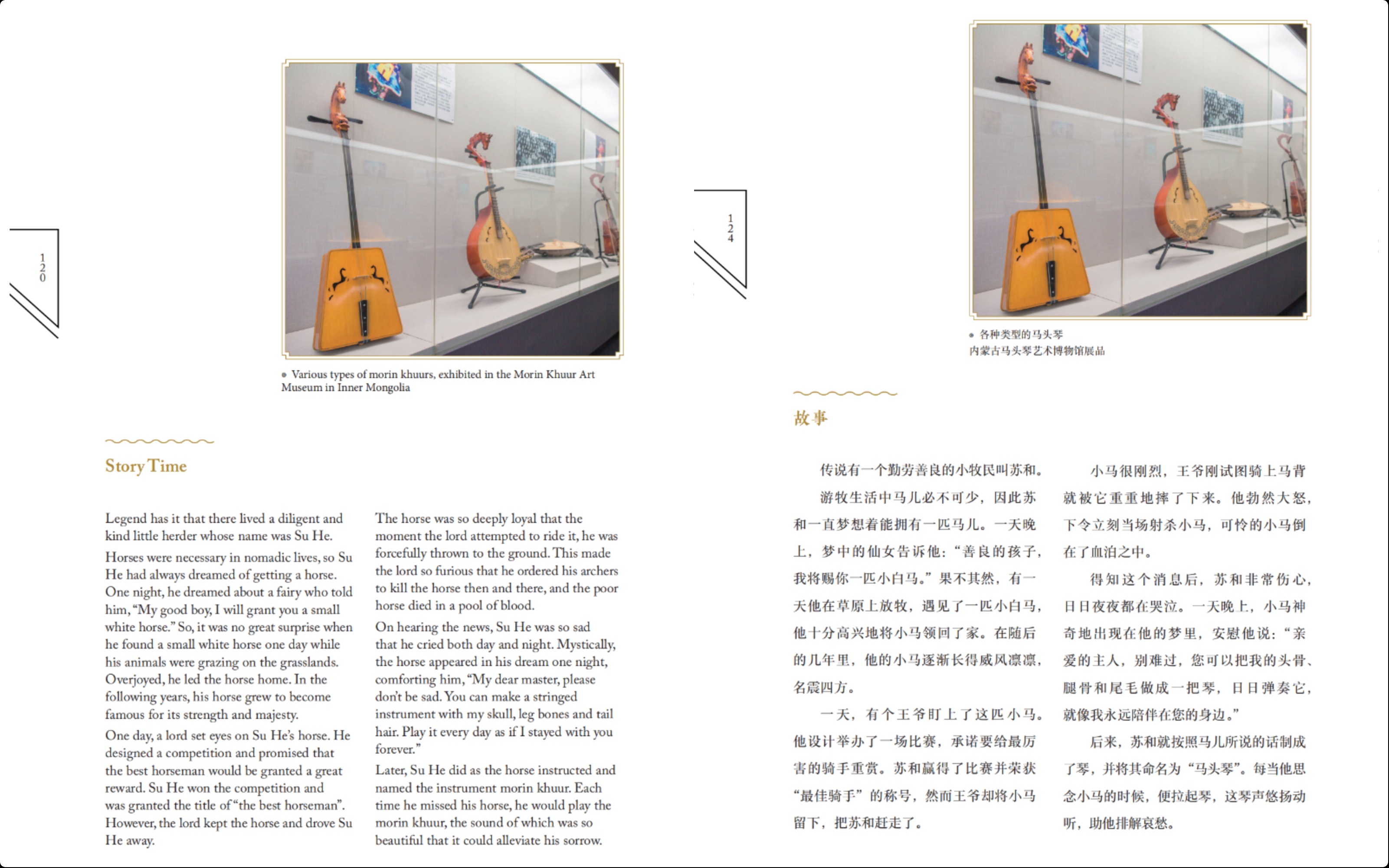
来源:《漫读中华:民间传说》(第二版)
作为国家级非物质文化遗产,马头琴诞生的民间传说展现出蒙古族与马深深的羁绊:相传牧人苏和心爱的白马被杀,苏和悲痛欲绝日夜哭泣,善良的白马为了缓解苏和的痛苦,在梦中请求苏和用它的头骨、腿骨和尾巴做成一把琴,以便他们能永远相伴。
After his beloved small white horse was killed, Su He was so sad that he cried both day and night. Mystically, the horse appeared in his dream one night, comforting him, "My dear master, please don't be sad. You can make a stringed instrument with my skull, leg bones and tail hair. Play it every day as if I stayed with you forever.”
插入教材音频
苏和按照小马的话制作了琴,并将其命名为“马头琴”。每当他思念小马的时候,便拉起琴,这琴声悠扬动听,助他排解哀愁。马头琴对草原人来说不止是一件乐器,更代表着游牧民族对马的深情礼赞。
Su He did as the horse instructed and named the instrument morin khuur. Each time he missed his horse, he would play the morin khuur, the sound of which was so beautiful that it could alleviate his sorrow.
大年初一,春祺已至!



版权所有 © 2006-2022 外语教学与研究出版社 高等英语教学网 京公网安备:11010802020838号 京ICP备18030989号-2